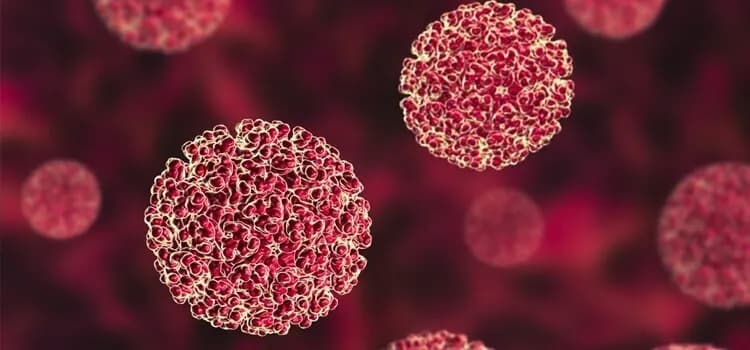
- What it is
- A liver infection that can become long-term if caught in infancy.
- Main symptom
- Often no symptoms at all in young children. The infection can be silent
- How it spreads
- Spread through blood and body fluids, most commonly from mother to baby at birth, or through contact with infected blood.
- Prevented by
- Pentavalent, Hexavalent, HepB
About Hepatitis B
Hepatitis B is a viral liver infection that can pass from mother to baby at birth, or spread through blood and body fluids. When caught in early life it often becomes a chronic (long-term) infection that can lead to liver scarring or liver cancer decades later. A birth dose of the vaccine followed by further doses prevents this, which is why it is given so early.
Symptoms
- Often no symptoms at all in young children. The infection can be silent
- Tiredness and poor appetite
- Jaundice (yellow skin and eyes) in some cases
- Abdominal discomfort
How it spreads
Spread through blood and body fluids, most commonly from mother to baby at birth, or through contact with infected blood.
Why it's serious
The younger a child is when infected with hepatitis B, the higher the chance of the infection becoming chronic. Up to 90% of infants infected at birth go on to develop chronic hepatitis B, compared to less than 5% of adults. This is why the birth dose of vaccine is so important.
- Chronic (long-term) hepatitis B infection, very common when infection occurs in infancy
- Liver cirrhosis (scarring) in adulthood
- Liver cancer, one of the main preventable causes worldwide
Most at risk: Newborns born to infected mothers are at very high risk of chronic infection. Young children who acquire hepatitis B are more likely to develop chronic infection than adults.
How to prevent Hepatitis B
Vaccination is the most effective protection. Hepatitis B is prevented by:
Treatment
Chronic hepatitis B can be managed with antiviral medications, though not everyone needs immediate treatment. The focus is on monitoring liver health and managing the infection long-term. Speak to a specialist.
Common questions
Sources
- Hepatitis B vaccines: WHO position paper · WHO, 2017.
Information on this page is compiled from authoritative public health sources and written in TinyDose's own voice. It is intended for general understanding only. Always follow your pediatrician's guidance.
From the blog
All guides →This information is provided by TinyDose for general understanding only and is not medical advice. Vaccine names, ages and doses can vary by country, brand and individual circumstances. Always follow the guidance of your pediatrician or local health authority for your child’s vaccination schedule.
© 2026 Alpstack · TinyDose