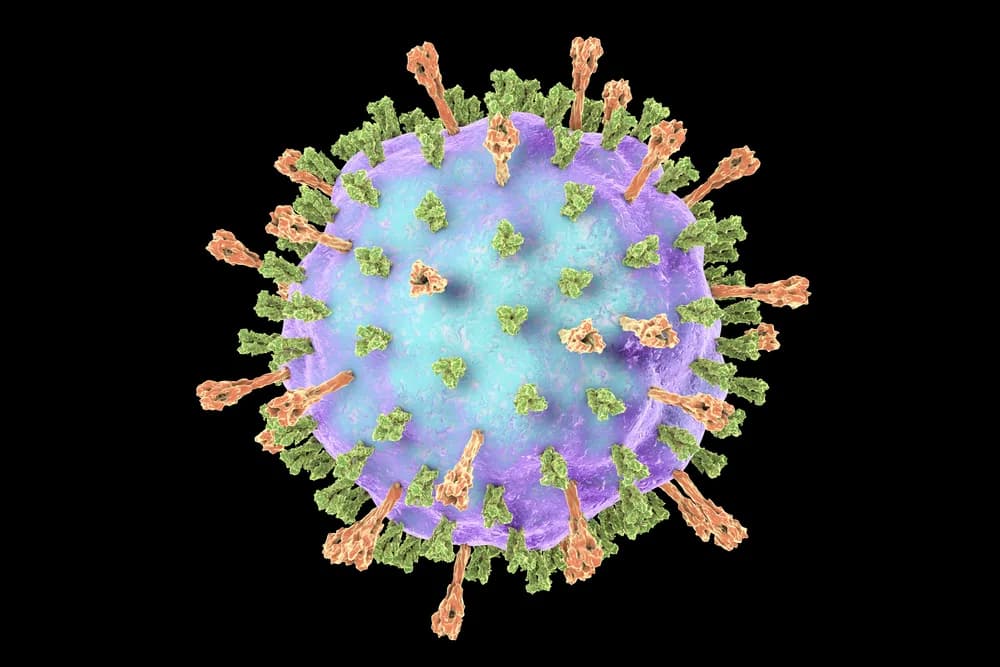
- What it is
- A viral infection best known for causing painful, swollen cheeks.
- Main symptom
- Swollen, tender cheeks or jaw, the characteristic sign
- How it spreads
- Spread through respiratory droplets and contact with infected saliva.
- Prevented by
- MMR, MMRV
About Mumps
Mumps is a viral infection that causes swelling of the salivary glands, giving the cheeks and jaw a puffy appearance. Most children recover fully, but mumps can occasionally lead to complications including meningitis. It is covered by the MMR vaccine.
Symptoms
- Swollen, tender cheeks or jaw, the characteristic sign
- Fever and headache
- Pain while chewing or swallowing
- Tiredness and loss of appetite
How it spreads
Spread through respiratory droplets and contact with infected saliva.
Why it's serious
Mumps is usually mild in young children. Complications are more common in older children, teenagers and adults, another reason to vaccinate early.
- Meningitis (inflammation of the membranes around the brain)
- Swelling of the testicles (orchitis) in post-pubertal males
- Swelling of the ovaries in post-pubertal females
- Temporary hearing loss
Most at risk: Unvaccinated children. Teenagers and adults can have more severe illness than young children.
How to prevent Mumps
Vaccination is the most effective protection. Mumps is prevented by:
Treatment
There is no specific treatment. Rest, fluids and pain relief manage symptoms. Most people recover fully within two weeks.
Common questions
Sources
- Mumps virus vaccines: WHO position paper · WHO, 2007.
Information on this page is compiled from authoritative public health sources and written in TinyDose's own voice. It is intended for general understanding only. Always follow your pediatrician's guidance.
From the blog
All guides →This information is provided by TinyDose for general understanding only and is not medical advice. Vaccine names, ages and doses can vary by country, brand and individual circumstances. Always follow the guidance of your pediatrician or local health authority for your child’s vaccination schedule.
© 2026 Alpstack · TinyDose