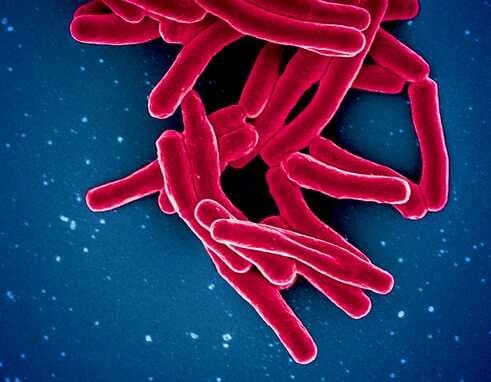
- What it is
- A bacterial infection that mainly affects the lungs and can be severe in babies.
- Main symptom
- Persistent cough, sometimes lasting weeks
- How it spreads
- Spread through the air when an infected person coughs, sneezes or speaks.
- Prevented by
- BCG
About Tuberculosis
Tuberculosis (TB) is caused by bacteria that usually attack the lungs but can spread to the brain, spine and other organs. In young children it can progress quickly into severe forms such as TB meningitis. India carries one of the highest TB burdens in the world, which is why the BCG vaccine is given right at birth.
Symptoms
- Persistent cough, sometimes lasting weeks
- Low-grade fever, often in the evenings
- Poor weight gain or weight loss
- Tiredness and reduced appetite
- Night sweats in older children
How it spreads
Spread through the air when an infected person coughs, sneezes or speaks.
Why it's serious
Most TB infections in children are mild, but infants are at risk of rapidly progressing to severe forms. Early vaccination with BCG dramatically reduces this risk.
- TB meningitis (infection around the brain), most dangerous in young children
- Miliary (widespread) TB, where the infection spreads through the bloodstream
- Long-term lung damage
Most at risk: Babies and young children under 5, especially those in close contact with an infected adult. Immunocompromised individuals are also at higher risk.
How to prevent Tuberculosis
Vaccination is the most effective protection. Tuberculosis is prevented by:
Treatment
TB is treated with a combination of antibiotics over several months. Treatment is effective when completed, but must not be stopped early. Speak to your doctor for guidance.
Common questions
Sources
- WHO Global Tuberculosis Report · WHO, 2023.
- India TB Report · Govt of India, 2023.
Information on this page is compiled from authoritative public health sources and written in TinyDose's own voice. It is intended for general understanding only. Always follow your pediatrician's guidance.
From the blog
All guides →This information is provided by TinyDose for general understanding only and is not medical advice. Vaccine names, ages and doses can vary by country, brand and individual circumstances. Always follow the guidance of your pediatrician or local health authority for your child’s vaccination schedule.
© 2026 Alpstack · TinyDose