- Protects against
- Pneumococcal disease
- How given
- Injection, usually in the thigh.
- Doses
- Three primary doses at 6, 10 and 14 weeks, with a booster at 15 months.
- Reactions
- Moderate
About this vaccine
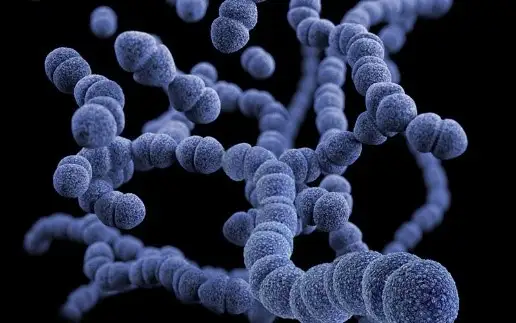
The pneumococcal conjugate vaccine (PCV) protects against the most common and dangerous strains of pneumococcal bacteria, which can cause pneumonia, meningitis and bloodstream infections. It is given in the early months with a booster later in infancy.
What it protects against
When it's given
IndiaGovernment of India · 2026
- 6 weeksDose 1
- 10 weeksDose 2
- 14 weeksDose 3
- 15 monthsBooster
IndiaIndian Academy of Pediatrics · 2026
- 6 weeksDose 1
- 10 weeksDose 2
- 14 weeksDose 3
- 15 monthsBooster
United StatesAAP · 2026
- 2 monthsDose 1
- 4 monthsDose 2
- 6 monthsDose 3
- 12-15 monthsDose 4
AustraliaATAGI · 2026
- 6 weeksDose 1
- 4 monthsDose 2
- 6 monthsDose 3 · Optional
- 12 monthsBooster · Optional
Ages follow the schedules listed above. Your pediatrician may adjust timing for your child.
How it's given
Injection, usually in the thigh.
Side effects & safety
Mild fever, fussiness and tenderness at the injection site are common and settle within a day or two.
A mild fever or fussiness is fairly common for a day or two. This is a sign the immune system is responding normally.
When to call your doctor: if fever exceeds 40°C, lasts more than 2 days, or your child seems unusually unwell.
Common questions
Sources
- Pneumococcal vaccines: WHO position paper · WHO, 2019.
Information on this page is compiled from authoritative public health sources and written in TinyDose's own voice. It is intended for general understanding only. Always follow your pediatrician's guidance.
From the blog
All guides →This information is provided by TinyDose for general understanding only and is not medical advice. Vaccine names, ages and doses can vary by country, brand and individual circumstances. Always follow the guidance of your pediatrician or local health authority for your child’s vaccination schedule.
© 2026 Alpstack · TinyDose